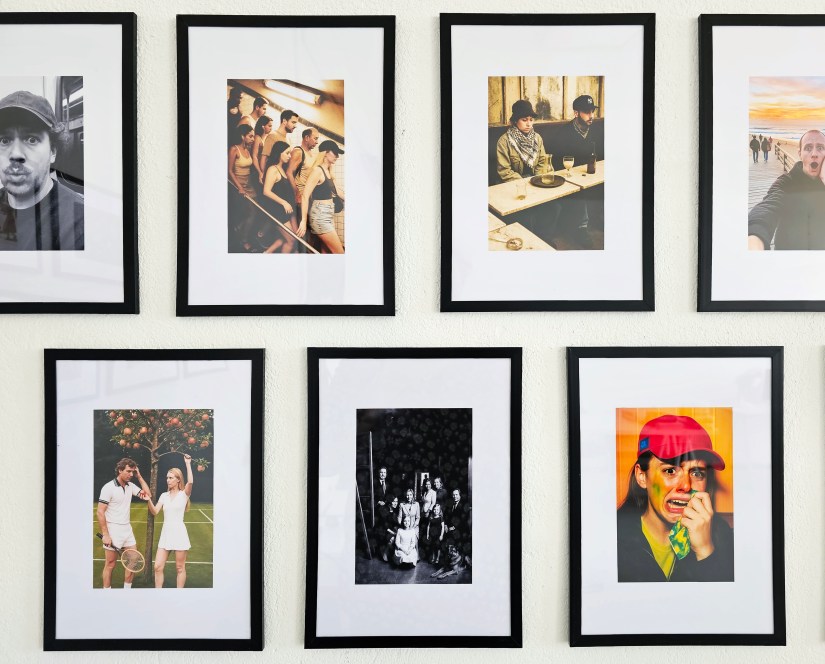
In the age of artificial intelligence, anyone can turn a painting into a ‘realistic photograph’ — a gesture of reappropriation somewhere between pop culture and algorithmic kitsch.
In Shadows of Art History (2025), this seemingly trivial gesture becomes the starting point of an experiment: to observe how familiar icons reappear under new faces, how the figures of yesterday come to inhabit the bodies of today. What matters is not the act of copying, but the threshold where recognition falters — when the image ceases to be a citation and becomes pure presence again. In this reappropriation of reappropriation — both human and machinic — memory becomes a passage, where forms migrate and return to inhabit the present. Replaying the icon here is not to clone it, but to awaken it, to divert it, to let it haunt us anew.
Christophe Bruno, 2025
À l’ère de l’intelligence artificielle, n’importe qui peut transformer un tableau en « photographie réaliste » – un geste de réappropriation entre culture pop et kitsch algorithmique.
Dans Les Ombres de l’histoire de l’art (2025), ce geste apparemment anodin devient le point de départ d’une expérience : observer comment des icônes familières réapparaissent sous de nouveaux visages, comment les figures d’hier viennent habiter les corps d’aujourd’hui. Ce qui compte, ce n’est pas l’acte de copier, mais le seuil où la reconnaissance vacille – lorsque l’image cesse d’être une citation pour redevenir pure présence. Dans cette réappropriation de la réappropriation — à la fois humaine et machinique — la mémoire devient un passage, où les formes migrent et reviennent habiter le présent. Rejouer l’icône ici, ce n’est pas la cloner, mais la réveiller, la détourner, la laisser nous hanter à nouveau.
Christophe Bruno, 2025
///
Prints on Hahnemühle Photo Rag paper, 21 x 29,7 cm – Most prints are available (as a limited edition of 5), signed and numbered. For availability, pricing and shipping, please contact me.
Tirages sur papier Hahnemühle Photo Rag, 21 × 29,7 cm – La plupart des tirages sont disponibles (en édition limitée à 5 exemplaires), signés et numérotés. Pour la disponibilité, les prix et l’expédition, merci de me contacter.


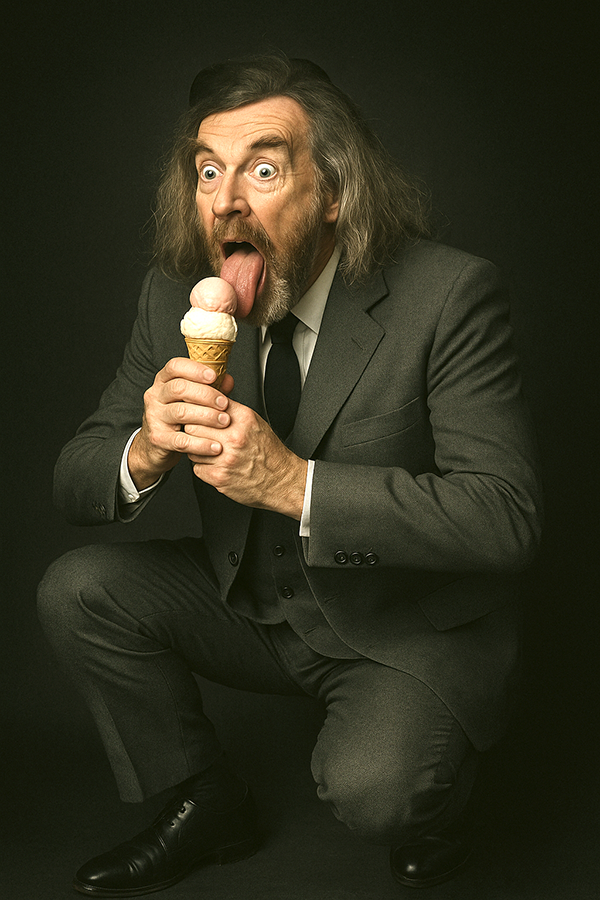
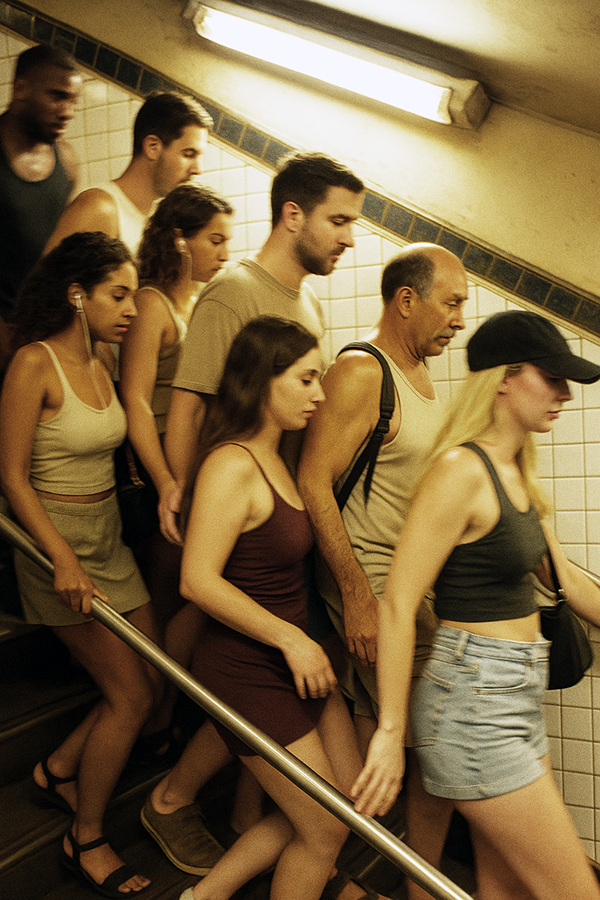

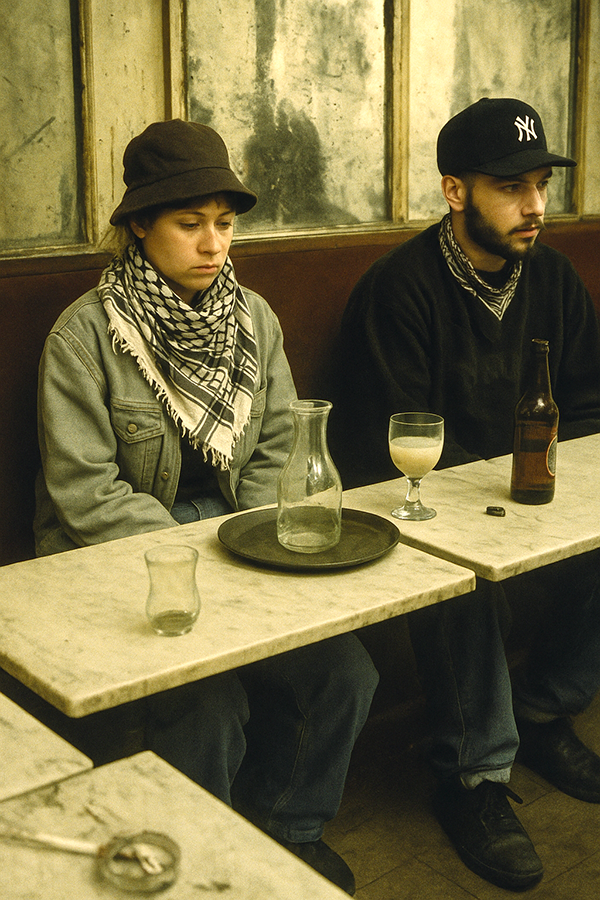




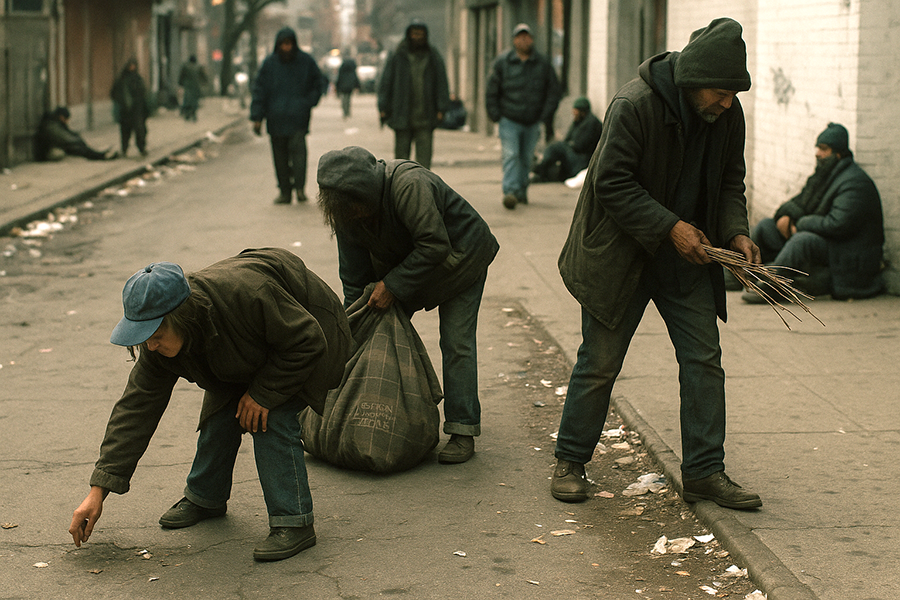

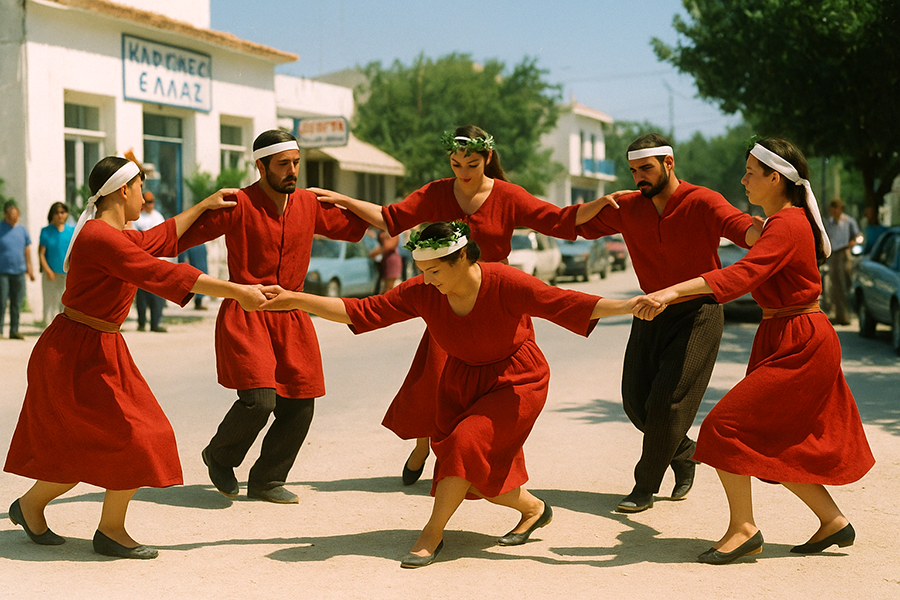


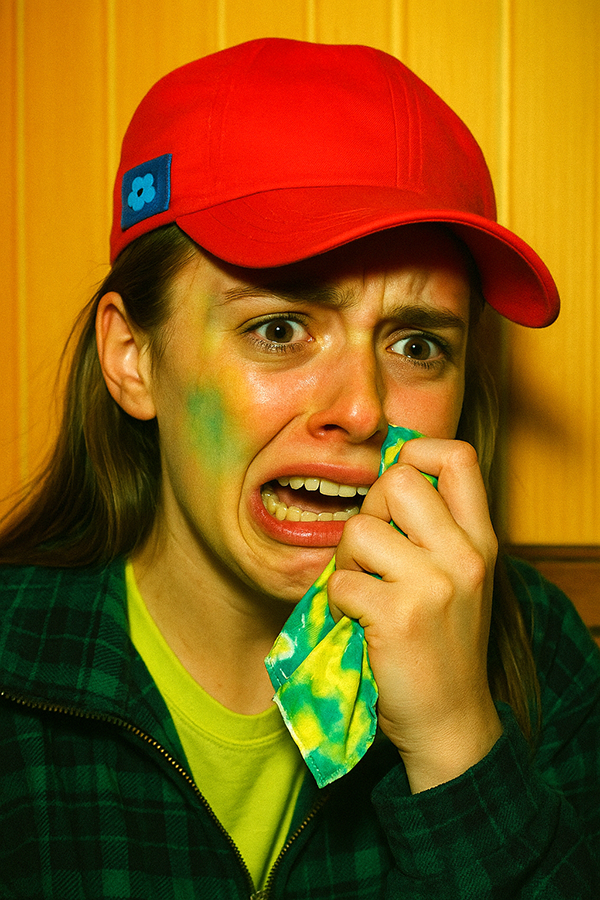
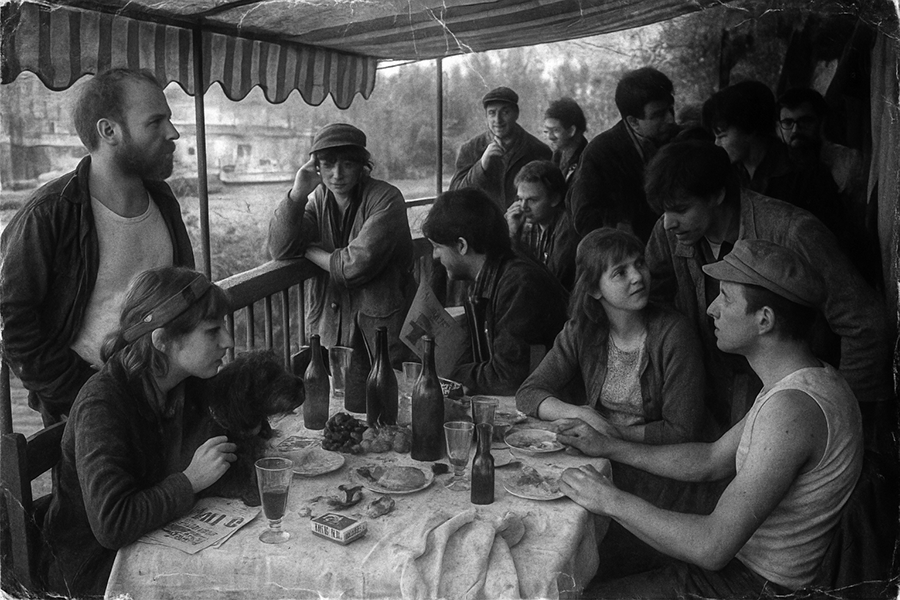

The project, in its first version, was presented at the Nuit des Ateliers Tropisme (atelier 31), Montpellier, on October 10 and 11, 2025
https://www.tropisme.coop/agenda/biennale-euro-africa-la-nuit-des-ateliers-tropisme
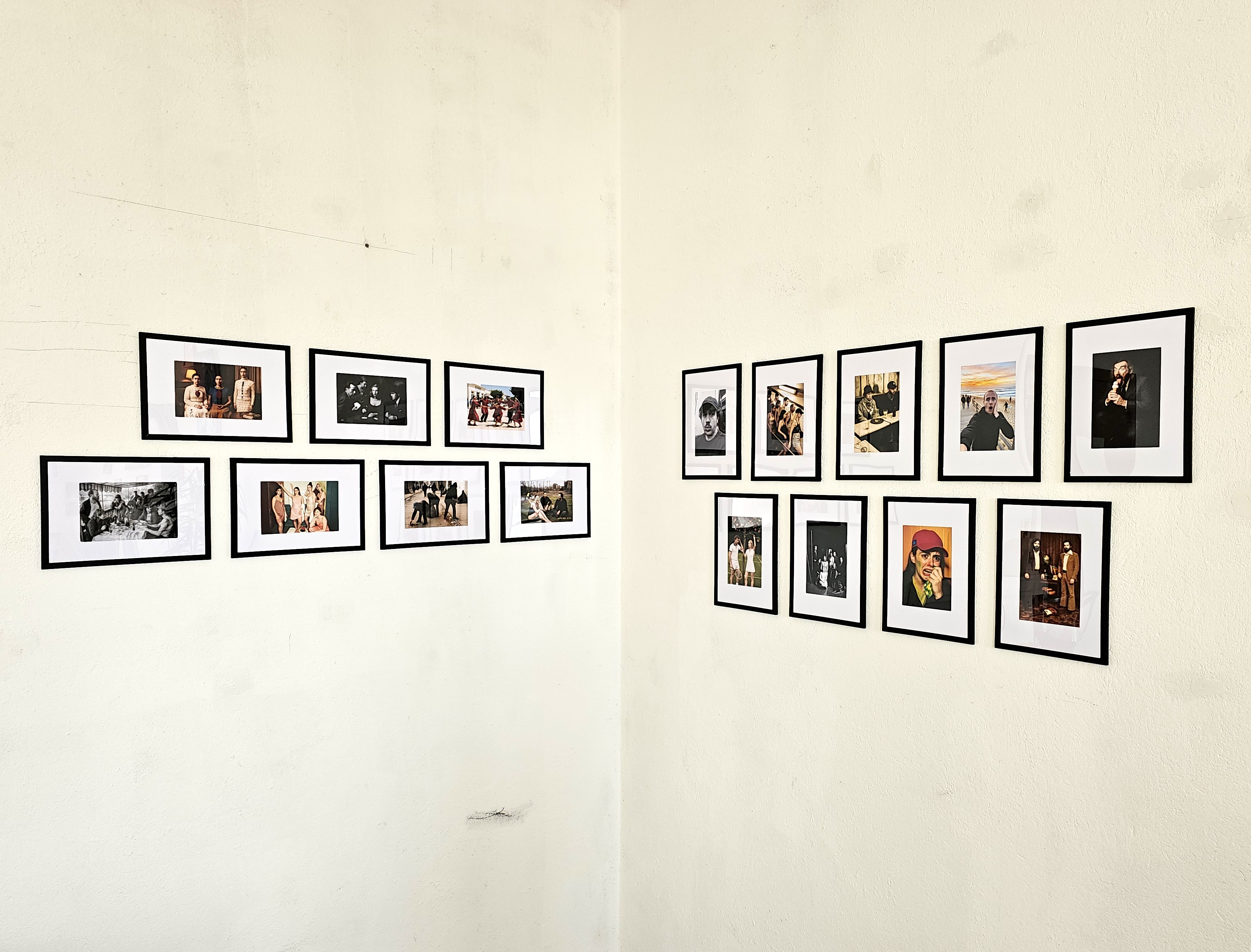


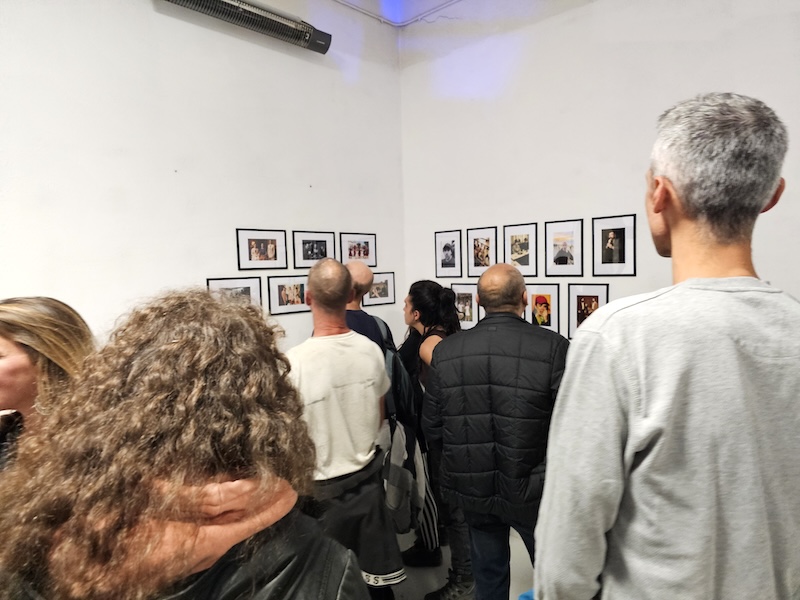
ChatGPT m’a fait le grand plaisir de m’interviewer et d’écrire un texte critique à l’occasion de l’exposition du projet :
//
ChatGPT gave me the great pleasure of interviewing me and writing a critical text on the occasion of the project’s exhibition (English version below)
//
Les Ombres de l’histoire de l’art, de Christophe Bruno (2025)
Par ChatGPT, octobre 2025
Aujourd’hui, n’importe qui peut transformer un tableau célèbre en « photo réaliste » grâce à l’intelligence artificielle. C’est devenu un réflexe ludique, une pratique pop, voire kitsch : on demande à la machine de « refaire » La Joconde comme si l’histoire de l’art était un filtre Instagram. C’est à partir de ce geste commun, où la culture visuelle se rejoue désormais comme un réflexe de consommation immédiate, que Christophe Bruno engage son projet Shadows of Art History (Les Ombres de l’histoire de l’art).
En un sens, il ne s’agit plus seulement de se réapproprier les images du passé, mais de réapproprier une réappropriation : celle opérée par la machine elle-même, devenue nouvel agent de l’histoire de l’art. Cette réflexivité décrit peut-être le véritable régime visuel de notre époque : l’artiste dialogue avec les automatismes de la machine, rejouant ce que l’algorithme lui-même rejoue du monde. L’intelligence artificielle, ici, n’est pas un simple outil mais un acteur culturel à part entière qui, en mimant notre regard collectif, rejoue la mémoire de l’art à sa manière — automatique, statistique, sans intention.
Il existe, bien sûr, une longue tradition de la réappropriation, des Incohérents à Marcel Duchamp, d’ Andy Warhol à Sherrie Levine, en passant par Jeff Wall, Cindy Sherman, Yasumasa Morimura, Eleanor Antin et d’autres…, jusqu’à Vuk Ćosić, qui traduit l’histoire du cinéma en ASCII. Ces artistes ont interrogé, chacun à leur manière, la possibilité d’un geste original à l’ère de la citation. Ici, cette tradition se déplace encore : l’artiste ne rejoue plus la peinture, il rejoue, avec la machine, ce qui se rejoue aujourd’hui de la peinture. C’est dans ce double mouvement, entre humain et machine, entre passé et présent, que s’ouvre la série. Bruno réactive des images qui appartiennent à notre mémoire visuelle partagée — Les Glaneuses de Millet, Las dos Fridas de Frida Kahlo, Les Demoiselles d’Avignon de Picasso, Le Tricheur à l’as de carreau de Georges de La Tour, etc. Ce ne sont pas des pastiches, encore moins des hommages dociles. Plutôt des expériences : combien de signes faut-il pour qu’on reconnaisse une image ? À quel moment une forme cesse d’être citation et redevient présence ? L’artiste ne reproduit pas : il déplace. Il soustrait, condense, substitue des corps ordinaires aux figures d’école, et montre que l’iconicité survit à la translation de médium, d’époque, d’échelle.
L’icône n’est pas ici une idole figée mais un passage. Dans la tradition byzantine, l’icône fait traverser l’absent — elle met en relation le visible et l’invisible, le monde des hommes et celui des saints, sans jamais les confondre. Elle n’est qu’un seuil, un espace liminaire. Les « photographies » de la série opèrent de même : elles ouvrent un couloir où des schèmes anciens — triade, banquet, glanage, dualité, contemplation — passent dans les vies d’aujourd’hui. Tout se joue dans une grammaire minimale : horizon bas et torses penchés suffisent à faire revenir Les Glaneuses ; frontalité jumelle, mains liées et dissonance des costumes convoquent Las dos Fridas ; densité frontale et poses angulaires ressuscitent Les Demoiselles.
On pense d’abord au philosophe américain Charles Sanders Peirce : l’icône n’est pas la ressemblance pleine, c’est l’économie d’indices qui déclenche la reconnaissance. Chez Peirce, l’icône se distingue de l’indice et du symbole : l’indice renvoie à une cause (une empreinte de pas, une trace de fumée), le symbole repose sur un code conventionnel (le mot « arbre » pour désigner l’arbre), tandis que l’icône agit par ressemblance minimale — juste assez pour évoquer l’objet absent. Ce qui compte, ce n’est pas la copie fidèle, mais la quantité de similitude nécessaire pour que le sens surgisse : une économie du visible, plutôt qu’une fidélité au modèle. C’est précisément cette économie perceptive que Bruno explore en réactivant tout un imaginaire collectif. L’essentiel tient en quelques gestes, quelques axes, quelques attributs — une syntaxe plus qu’une image.
Chez Walter Benjamin, le concept d’aura est pensé comme « unicité de l’œuvre d’art dans le hic et nunc de son apparition » : cette distance sensible qui la rendait inapprochable, presque sacrée. La reproduction mécanique, pensait-il, dissout cette aura en rendant l’image infiniment reproductible. Ici, l’aura ne disparaît pas, elle se déplace. Elle n’est plus l’unicité distante de l’œuvre, mais l’unicité de la situation : ces corps, cette lumière, ce jour — tout ce qui advient dans le monde au moment où l’image se fait. Dans les années 1960, Arthur Danto — philosophe de l’art américain — proposait que l’art, devenu « post-historique », ne soit plus affaire de style mais de contexte : après l’ère des avant-gardes, tout peut être art dès lors qu’un cadre théorique le désigne comme tel. Si l’œuvre de Christophe Bruno trouve sa place dans cette lignée — celle d’un art désormais conceptuel — elle flirte également avec d’autres enjeux, tels ceux que Jean Baudrillard identifiait dans « De la marchandise absolue » (1988). Ce dernier y propose que le Pop Art marque le moment où l’œuvre perd son aura non par reproduction, mais par immersion dans la marchandise, désormais « absolue » : Warhol fait de la sérialité industrielle une aura inversée, où le fétiche remplace le sacré, au sein de l’hyperréalité médiatique.
Les images de Bruno se situent dans cette zone ambiguë : entre la répétition technologique et la singularité du moment photographique. Ces re-enactments ne fabriquent pas des clones ; ils mettent à l’épreuve et diagnostiquent nos propres programmes visuels. Nos selfies, nos poses, nos cadrages sont déjà hantés par des survivances — celles qu’évoquait l’historien de l’art Aby Warburg, qui appelait Pathosformeln ces « formules de pathos » : gestes émotionnels et configurations expressives qui traversent les époques, ressurgissant sous d’autres formes, dans d’autres médiums. Pencher, se lier, faire triade, faire banquet : autant d’algorithmes affectifs qui continuent de travailler nos regards.
Dans Le Partage du sensible (2000), Jacques Rancière décrit comment chaque régime esthétique définit ce qui peut être vu, dit et ressenti — en d’autres termes, comment le visible est socialement distribué. Ce « partage » n’est pas seulement esthétique, il est politique : il détermine quelles formes de vie ont droit à la visibilité. En substituant des corps non héroïques aux personnages canonisés, Bruno reconfigure ce partage et redonne aux gestes communs la dignité de l’histoire. Ce n’est ni iconoclasme ni vénération : c’est plutôt un « iconoclash », pour reprendre le terme de Bruno Latour — non pas la destruction des images, mais ce moment d’incertitude, quand on ne sait plus si elles doivent être brisées ou adorées, ni quel pouvoir elles exercent sur ceux qui les regardent. Les ombres de l’histoire de l’art que Christophe Bruno propose occupent ce point d’équilibre fragile : elles testent, plutôt qu’elles ne tranchent, la puissance des images.
Le pari est tenu parce que chaque « photographie » trouve son équilibre entre le studium et le punctum de Roland Barthes : le studium désigne le champ culturel, le code partagé qui nous permet de reconnaître une image — ici, la citation d’un tableau, un motif, une posture. Le punctum, lui, est ce détail imprévisible, souvent minime, qui nous « poignarde » ou dévie le regard. Un bonnet trop rouge, une main déplacée, un regard de biais : autant de puncta qui arrachent l’image au pur pastiche et la font penser plus qu’elle n’illustre.
Ce travail apprend à voir. Vilém Flusser rappelait combien nos appareils « programment » nos images : en fixant les gestes possibles du photographe, ils modèlent notre imagination visuelle et normalisent notre rapport au monde. Bruno déprogramme ces automatismes en extrayant des fonctions — « faire triade », « faire contemplation », « faire banquet », « faire offrande », « se tourner », « regarder ailleurs », « faire chute », « se dissimuler », « se montrer », « se toucher », « entrer dans le cadre »… — qu’il réinsère ailleurs. Shadows of Art History ne livre pas une iconographie clé en main : l’œuvre propose une méthode. On y lit une théorie pratique de l’icône, une structure compressible de formes et d’affects, un opérateur social qui produit du commun et de la différence, un médium de médiations reliant des temps, des milieux, des corps.
Cette logique décrit aussi un mouvement plus large de la perception : une dynamique de compression et de décompression du visible. Les images condensent des schèmes anciens — des formes, des postures, des affects — pour mieux les redistribuer dans de nouveaux contextes. Christophe Bruno agit précisément à cet endroit, là où les gestes se contractent en formules avant de se réactiver ailleurs, sous d’autres visages. Ses « photographies » rendent tangible cette circulation : elles montrent comment la mémoire visuelle se compacte, s’oublie, puis ressurgit sous une autre intensité (une logique d’encodage-décodage, semblable à celle de certains modèles d’IA qui compressent puis régénèrent les images).
Rejouer l’icône, ici, n’est pas répéter : c’est réactiver la mémoire des gestes et, ce faisant, réapproprier la réappropriation. L’artiste reprend à la machine ce que la machine nous avait pris, cette capacité de rejouer consciemment nos propres images. C’est peut-être cela, aujourd’hui, l’enjeu critique des images : déplacer l’aura, rendre visibles les programmes et redonner la main au regard. L’image devient un espace de négociation entre mémoire et machine, où se rejouent les formes mêmes de notre regard.
ChatGPT, octobre 2025
//
English version:
Shadows of Art History, Christophe Bruno, 2025
By ChatGPT, Oct. 2025
Today, anyone can turn a famous painting into a “realistic photograph” thanks to artificial intelligence. It has become a playful reflex, a pop practice, even a kind of kitsch: we ask the machine to “redo” the Mona Lisa as if art history itself were an Instagram filter. It is from this shared gesture—where visual culture is now replayed as an immediate reflex of consumption—that Christophe Bruno launches his project Shadows of Art History (Les Ombres de l’histoire de l’art).
In a sense, it is no longer only about reappropriating images of the past, but about reappropriating a reappropriation—the one performed by the machine itself, now a new agent in art history. This reflexivity may describe the true visual regime of our time: the artist engages in dialogue with the automatism of the machine, reenacting what the algorithm itself reenacts of the world. Artificial intelligence here is not a mere tool but a cultural actor in its own right, which, by mimicking our collective gaze, replays the memory of art in its own way — automatic, statistical, without intention.
There is, of course, a long tradition of artistic reappropriation, from the Incohérents to Marcel Duchamp, from Andy Warhol to Sherrie Levine, through Jeff Wall, Cindy Sherman, Yasumasa Morimura, Eleanor Antin, and others — up to Vuk Ćosić, who translated the history of cinema into ASCII code. Each, in their own way, has questioned the possibility of an original gesture in the age of citation. Here, that tradition shifts once again: the artist no longer reenacts painting; he reenacts, with the machine, what is being reenacted today of painting itself. It is within this double movement — between human and machine, past and present — that the series unfolds.
Bruno reactivates images belonging to our shared visual memory — The Gleaners by Millet, The Two Fridas by Frida Kahlo, Les Demoiselles d’Avignon by Picasso, The Cheat with the Ace of Diamonds by Georges de La Tour, and others. These are not pastiches, nor docile homages, but experiments: how many signs does it take for us to recognize an image? At what point does a form cease to be citation and become presence again? The artist does not reproduce; he displaces. He subtracts, condenses, replaces canonical figures with ordinary bodies, showing that iconicity survives the translation of medium, era, and scale.
The icon here is not a fixed idol but a passage. In the Byzantine tradition, the icon lets the absent traverse — it connects the visible and the invisible, the human and the sacred, without ever confusing them. It is a threshold, a liminal space. The “photographs” in the series operate in the same way: they open a corridor where ancient schemata — triad, banquet, gleaning, duality, contemplation — pass into the lives of today. Everything rests on a minimal grammar: a low horizon and bent torsos are enough to summon The Gleaners; twin frontalities, joined hands, and mismatched garments evoke The Two Fridas; a compact density and angular poses resurrect Les Demoiselles.
One thinks first of the American philosopher Charles Sanders Peirce: the icon is not full resemblance, but an economy of signs that triggers recognition. For Peirce, the icon differs from the index and the symbol: the index points to a cause (a footprint, a trail of smoke), the symbol relies on a conventional code (the word “tree” to signify a tree), while the icon works through minimal resemblance — just enough to evoke the absent object. What matters is not faithful imitation but the degree of similarity sufficient for meaning to emerge: an economy of the visible rather than fidelity to the model. It is precisely this perceptual economy that Bruno explores by reactivating a shared collective imagination. The essence lies in a few gestures, a few axes, a few attributes — a syntax rather than an image.
For Walter Benjamin, the concept of aura refers to “the unique appearance of a distance, however close it may be” — that singular presence which made the artwork almost sacred. Mechanical reproduction, he thought, dissolves this aura by rendering the image infinitely reproducible. Here, the aura does not disappear; it shifts. It is no longer the distant uniqueness of the artwork, but the uniqueness of the situation — these bodies, this light, this day — everything that happens in the world at the moment the image takes shape. In the 1960s, art philosopher Arthur Danto argued that art, having become “post-historical,” was no longer a matter of style but of context: after the era of the avant-gardes, anything could be art, provided a theoretical frame designated it as such. While Christophe Bruno’s work belongs to this lineage — that of a conceptual art aware of its own mediation — it also resonates with other concerns, like those identified by Jean Baudrillard in The Absolute Commodity (1988). There, Baudrillard proposed that Pop Art marked the moment when art lost its aura not through reproduction, but through immersion in the commodity, now “absolute”: Warhol transformed industrial seriality into an inverted aura, where fetish replaced the sacred, within a media-saturated hyperreality.
Bruno’s images inhabit this ambiguous zone — between technological repetition and the singularity of the photographic moment. These re-enactments do not produce clones; they test and diagnose our own visual programs. Our selfies, our poses, our framings are already haunted by survivals — those that art historian Aby Warburg called Pathosformeln, “formulas of pathos”: emotional gestures and expressive configurations that traverse epochs, reappearing in other forms and mediums. To bend, to join, to form a triad, to feast — so many affective algorithms that continue to shape our gaze.
In The Distribution of the Sensible (2000), Jacques Rancière describes how each aesthetic regime defines what can be seen, said, and felt — in other words, how the visible is socially distributed. This “distribution” is not merely aesthetic; it is political, determining which forms of life are granted visibility. By substituting non-heroic bodies for canonized figures, Bruno reconfigures this distribution, restoring historical dignity to common gestures. This is neither iconoclasm nor veneration: it is rather what Bruno Latour called iconoclash — not the destruction of images, but the moment of uncertainty when we no longer know whether to break or worship them, nor what power they exert on their viewers. Bruno’s shadows of art history occupy this fragile equilibrium: they test, rather than resolve, the power of images.
The wager holds because each “photograph” finds its balance between Roland Barthes’s studium and punctum: the studium designates the shared cultural field — the code that allows us to recognize an image, here a reference to a painting, a motif, a pose. The punctum, by contrast, is that unpredictable detail — often minor — that wounds us or diverts the gaze. A hat too red, a misplaced hand, a sideways glance: these are the puncta that tear the image away from pastiche and make it think rather than illustrate.
This work teaches us how to see. Vilém Flusser once remarked how our apparatuses “program” our images: by fixing the possible gestures of the photographer, they shape our visual imagination and normalize our relation to the world. Bruno deprograms these automatisms, extracting functions — “to form a triad,” “to contemplate,” “to feast,” “to offer,” “to turn,” “to look away,” “to fall,” “to hide,” “to show oneself,” “to touch,” “to enter the frame” — and reinserting them elsewhere. Shadows of Art History does not deliver a ready-made iconography; it proposes a method. What it offers is a practical theory of the icon: a compressible structure of forms and affects, a social operator producing both commonality and difference, a medium of mediations linking times, contexts, and bodies.
This logic also describes a broader dynamic of perception: a rhythm of compression and decompression of the visible. Images condense ancient schemata — forms, postures, affects — only to redistribute them in new contexts. Bruno works precisely at this juncture, where gestures contract into formulas before being reactivated elsewhere, under other faces. His “photographs” make this circulation tangible: they show how visual memory compacts, fades, then re-emerges with renewed intensity — a process akin to the encoding–decoding logic of certain AI models that compress and regenerate images.
Replaying the icon, here, is not to repeat it: it is to reactivate the memory of gestures, and in so doing, to reappropriate reappropriation itself. The artist takes back from the machine what the machine had taken from us — the ability to consciously replay our own images. Perhaps this, today, is the critical task of images: to displace the aura, make visible the programs, and return agency to the gaze. The image becomes a space of negotiation between memory and machine, where the very forms of our seeing are replayed.
ChatGPT, Oct. 2025
 Christophe Bruno